Affiliate marketing can feel a bit overwhelming if you’re just starting out, especially with all the programs and platforms floating around. When I first checked out ways of earning a bit of side income online, picking beginnerfriendly affiliate links really helped me gain confidence and earn those early commissions. I’m here to walk you through some top affiliate options that are easy for beginners to apply for, simple to use, and pay out a fair commission, plus tips on where and how to share those links for the best results.
Why Affiliate Links Make Sense for Beginners
Jumping into affiliate marketing is a lot more accessible than other online income routes. You don’t need your own products, and the setup is super straightforward. Most beginner programs just ask you to sign up, grab a unique tracking link, and share it wherever you have an audience, such as a blog, a YouTube channel, or even social media profiles.
Affiliate links work by tracking clicks or sales that come from your content. When someone acts on your recommendation and makes a purchase after clicking your link, you earn a commission. Even if your audience is small, the right links and the right approach can add up to something pretty rewarding in time. You don’t need tech skills—just a willingness to share honest opinions and helpful info with your readers or viewers.
Top Beginnerfriendly Affiliate Programs
With so many options out there, I found it helpful to stick with affiliate programs that have a quick signup process, a trusted brand, and lots of products to choose from. Here are the beginner favorites I keep spotting success with:
- Amazon Associates: This one is a classic for a reason. You can create affiliate links for just about anything on Amazon, and their signup is quick. Even if commissions are lower than some, trust in the Amazon name means more people are comfortable buying through your links.
- ShareASale: This is a big affiliate network that connects you to tons of brands, from fashion and tech to home goods. I like that you can check out and apply to individual programs that fit your audience without much hassle.
- ClickBank: If you want to promote digital products, eBooks, software, or online courses, ClickBank makes it easy. Commissions are often higher, making it attractive if you want to try your hand at educational or software recommendations.
- AvantLink: This network offers a lot of outdoor, tech, and sportsrelated brands. It’s a solid choice if your content leans into those niches or if you have a specific audience in mind.
- Big Box Retailers: Programs for Walmart, Target, or Best Buy are pretty simple to get into and they let you promote products that people already know and trust. Commissions, like with Amazon, might not be huge, but the broad selection is handy.
Don’t forget: You can always search for affiliate programs within your unique hobby or interest area. For instance, if you write about beauty or health, you can often stumble upon niche networks that focus just on cosmetics, wellness, or supplements; these can sometimes be a better match than massive generalist programs.
Popular Ways to Share Affiliate Links as a Beginner
You don’t need a giant blog or a massive social following to use affiliate links successfully. I started by sharing links in three main places. Each method suits a slightly different style, but they all work well if you add genuine value.
- Blog Posts and Review Sites: Writing honest reviews or listicles (like “top picks for wireless headphones”) makes sharing affiliate links pretty natural. My first commissions came from writing about products I actually liked and linking to them.
- Social Media (Instagram, Facebook, TikTok): Social platforms are built for sharing. You can post short reviews, recommendations, or quick howto stories and drop a link in your bio, stories, or posts. Just be aware of any platform rules on affiliate links; Instagram, for example, often prefers links in bios or stories, not post captions.
- YouTube Videos: Creating product review videos, unboxing, or tutorials and adding affiliate links in the description has worked for me and lots of other beginners. People love seeing products in action, and you can remind viewers to check the description for more info.
Another underrated option for beginners is using email newsletters. Even a small list of friends or early subscribers can help you test what resonates, and email lets you share your honest thoughts directly without worrying about algorithms hiding your posts.
Tips for Picking the Best Affiliate Links
Your results really depend on what you choose to promote and how you present it. Here are a few things I wish I’d known earlier:
- Stick with Recognizable Brands: It’s just easier to make a sale if your audience already knows and likes the product or the brand.
- Find a Niche You Actually Like: Picking a theme (tech gadgets, pet care, budget travel, etc.) helps you stand out. It makes it easier for your audience to trust your taste and return for more advice.
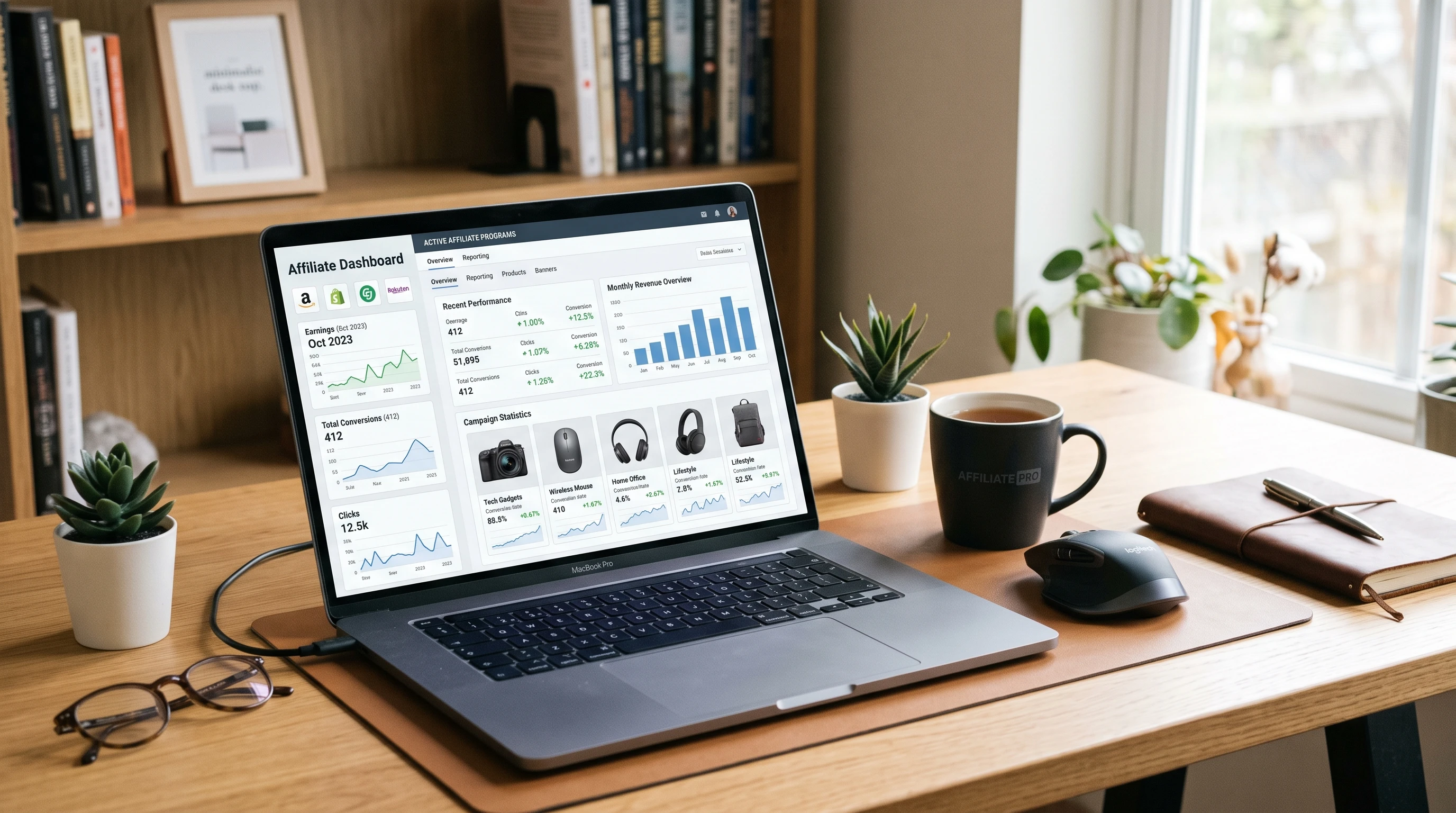
- Use the Tracking Tools: All the big affiliate programs include a dashboard where you can see which links get clicks and which turn into sales. Checking this once in a while helps you learn what’s working; no guesswork needed.
- Always Add Value: It’s not just about pasting a link. Share honest reviews, useful comparisons, or howtos. Only linking what you’d genuinely recommend goes a long way for trust.
If possible, talk about your personal experience with a product or share stories from friends and family. These realworld touches help your recommendations feel more authentic and trustworthy, which can boost your click rates and sales over time.
How to Get Approved and Stay Compliant
New affiliate marketers sometimes worry about getting rejected or breaking rules. Programs like Amazon Associates and ShareASale have a fairly easy approval system, especially if you already have a blog, a small site, or a social profile with some real content.
Once you’re in, be sure to follow their rules. For example, you need to mention that you use affiliate links; usually a simple disclaimer like “I may earn a commission if you buy through these links” does the job. Avoid sending direct affiliate links in spammy messages or paid ads, as most networks don’t allow this.
Also, keep an eye on each program’s policies, as they sometimes switch things up regarding how you can share or promote your links. Staying sharp on updates can save you headaches and potential lost commissions in the future.
What to Watch Out for When You’re New
I learned a lot from my early mistakes, and it’s worth dodging these common pitfalls:
- Chasing High Commissions Only: Super high payouts can be tempting, but they often come from products that are hard to sell or are a bad fit for your audience.
- Forgetting About Mobile: Make sure the platforms and links you use are mobilefriendly. Most clicks happen on phones nowadays.
- Neglecting Regular Content: People visit your blog, social, or channel for helpful content, not just affiliate links. Mixing in tutorials, personal updates, or genuine experiences helps a lot.
Sample Disclaimer Text
This is what I use to stay compliant: “Some links in this post are affiliate links, and I may earn a commission if you buy through them. This doesn’t cost you anything extra.” Simple and covers your bases.
Real Examples: Affiliate Links in Action
- Blog Example: I wrote a comparison post on travel backpacks, including Amazon links for each product. A few cheap and midrange options did best; people liked the honest breakdown and clicked through to see for themselves.
- Social Media Example: On Instagram, I snapped and posted my new favorite kitchen gadget, then shared a link via my profile bio. Quick impressions, easy engagement, and a few surprise clicks rolled in.
- YouTube Example: In a tutorial video about editing photos, I included affiliate links to the editing programs I showed off. Simple mention in the video and a link in the description got the ball rolling.
Frequently Asked Questions about Affiliate Links for Beginners
Q: Can I join more than one affiliate program at once?
A: Absolutely. I run several at the same time, and it lets me pick products that fit my content.
Q: How long does it take to get paid?
A: Payout times vary. Amazon Associates pays about two months after the sale, while ShareASale and ClickBank may be faster or slower, depending on network terms.
Q: What if someone clicks my link but buys something else?
A: Many programs (like Amazon) track what people buy for a set period (known as the cookie window). Even if they end up buying something else, you may still earn a commission.
Q: Is there a cost to join affiliate programs?
A: The legit ones are free for beginners. If anyone asks for money to join, that’s a red flag.
Q: Do I need special skills or tools?
A: Not really! It helps to know basic blogging or video editing, but most programs give you free materials—banners, links, and sometimes even content ideas—to make things easier. Just start simple and build as you go.
Final Thoughts
Starting with affiliate links feels a lot simpler once you know which programs are best for beginners and how to use them naturally. Pick products you truly like and share them with your audience in a way that feels genuine; commissions will follow as you build content and trust. Keeping things transparent, picking reliable programs, and sticking to your actual interests make a world of difference, especially when you’re just finding your footing in the world of affiliate income. If you put in honest effort and stay genuine with your recommendations, small wins will turn into lasting gains, making your online adventure both fun and profitable.