
If you’re running a niche business, having a solid sales funnel is pretty much your secret weapon for growing steady sales and keeping your audience engaged. Even if you’re getting decent results, there’s always room for improvement, and that’s where a sales funnel audit comes in. I’ve spent a good chunk of time with funnels, tweaking, testing, and sometimes just troubleshooting. Auditing your funnel isn’t just for big businesses either; it can really help niche businesses make sure their marketing and sales efforts are actually paying off. Here’s how I approach a sales funnel audit to keep things running smoothly and maximize revenue for any niche.
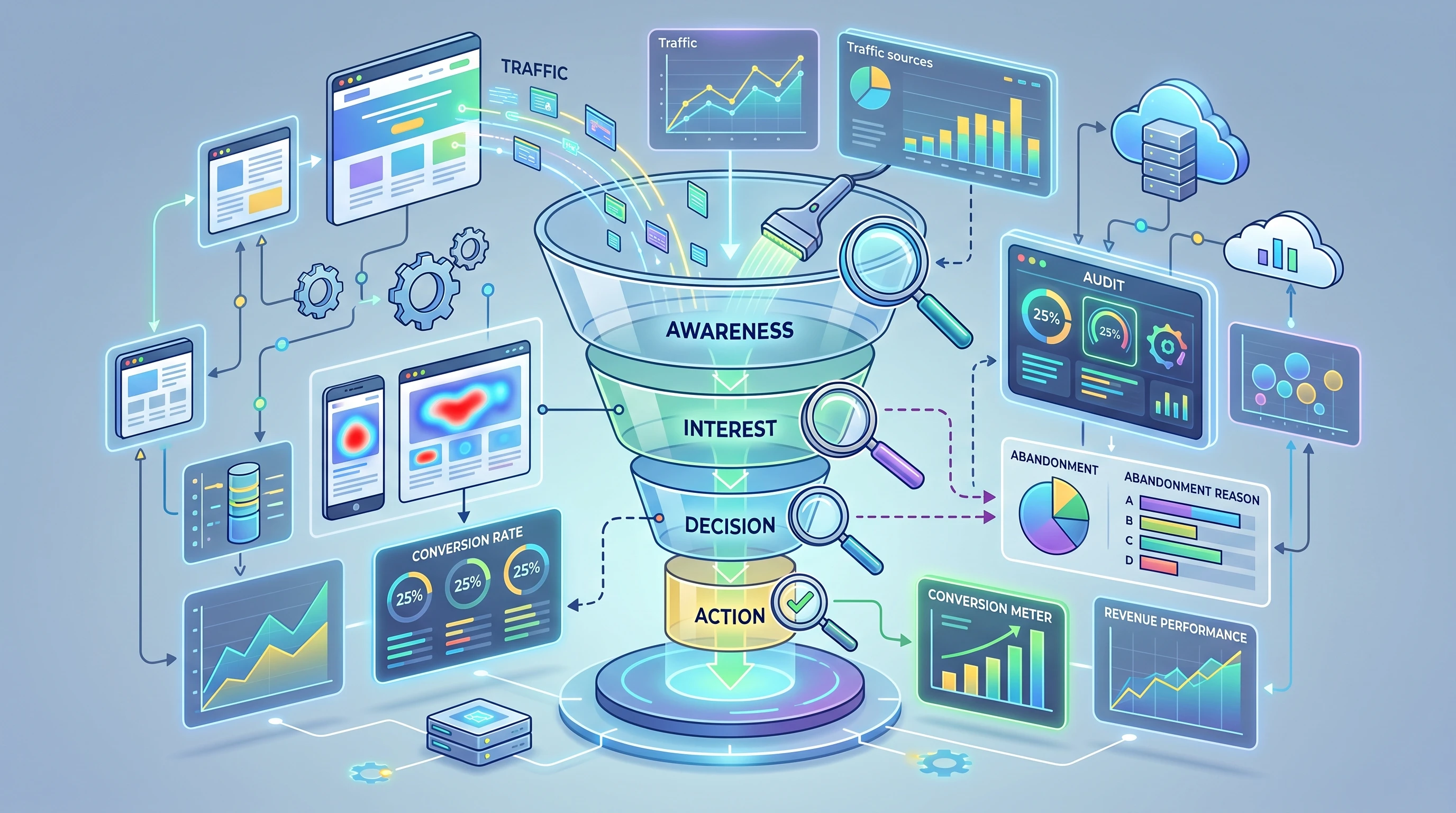
What Is a Sales Funnel Audit (And Why Do Niche Businesses Need One)?
For niche businesses, sales funnels take on a whole new level of importance because your audience is pretty specific; you’re not casting a wide net. A sales funnel audit is just a deep check into each stage of your funnel, from the first touchpoint to the final sale, to see what’s working and what isn’t. For me, it’s about making sure every step is tuned to the type of customer you want to attract and that your messaging, offers, and follow-up systems fit their needs. Doing this regularly gives you a real edge. It helps you avoid wasted budget and pick up conversions you might be missing otherwise.
Traffic Sources Audit for Niche Businesses
It’s easy to get caught up in just driving more traffic, but knowing exactly where your best leads are coming from saves you time and money. A traffic sources audit is where I start. I look at:
- Organic Search: Are you ranking for the right longtail keywords? If your content matches how your niche audience searches online, you’ll see higher quality traffic.
- Paid Ads: If you’re spending on ads, make sure they’re tightly targeted and that every click is worth the cost. Reviewing search terms and demographics from ad platforms can reveal quick wins.
- Social and Email: Are your posts getting engagement? Is your list clickable and responsive? Pay attention to referral sources in your analytics dashboard, and see which channels bring the most engaged users.
I’ve found that for niche businesses, referrals from industry sites or collaborations with microinfluencers often bring better leads than broad ad campaigns. Check your analytics regularly and don’t be afraid to cut sources that aren’t delivering.
Landing Page Audit: Building Trust and Credibility
Landing pages are where most online leads get their first impression. If your audience is niche, they’re looking for signs you really get their problems. Here’s what I always check:
- Headline and Clarity: Does your headline speak directly to your specialty? Niche audiences notice the details.
- Visual Elements: Are your images or videos tailored to your industry? Generic content feels out of place in a niche.
- Social Proof: Testimonials, logos, or case studies can instantly build trust. If you have relevant proof from within your niche, show it off!
- Clear Calls to Action: Make it one action per page. If you’re asking visitors to sign up, request a demo, or buy, keep it singular and obvious.
I often run a quick heatmap test to see where users leave, and I’ll even record a few sessions (with consent, of course!) to spot sticking points and confusion on the page. Recently, I saw major improvement by simply swapping out generic visuals for images specific to the audience’s interests, and changing up testimonials so they matched the visitor’s experience. Sometimes the smallest tweaks on a landing page get the highest returns.
Offer Audit: Is Your Offer Irresistible?
A strong offer is at the center of any sales funnel, but for niche businesses, it gets even more specialized. You want your offer to make it clear “this is meant for you” to your target audience. Here are some questions I use:
- Does the offer solve a real, urgent problem? Your product or service should feel like a tailored solution to your customer’s pain point.
- Is the value clear right away? Don’t make potential buyers search for details. They should instantly know what’s in it for them.
- Is there a risk reducer? Moneyback guarantees, noquestionsasked refunds, or “try before you buy” options go a long way in lowtrust industries.
- Is your pricing structured for your audience? Sometimes, pricing tiers or package deals suit niche customers better than onesizefitsall pricing.
I’ve had great results from simply rewording an offer to be more industryspecific. Even something as minor as mentioning industry pain points or using the right jargon can bump up conversions noticeably. Another tip is to check in with existing customers for their feedback after trying your offer. Add new elements based on their suggestions, like bonus resources or faster support, and see if conversions jump up. You may stumble upon new angles you never considered before.
Nurture and Conversion Audit: Make Buying Easy For Your Niche Audience
Nurturing prospects is where niche businesses can shine. Smaller audiences mean you can personalize your approach. Here’s what I check for:
- Automated FollowUps: Is your email or message sequence speaking to your prospect’s real objections and needs? Look for places where automation can feel more “human.”
- Trust Builders: Free trials, samples, or valuable content downloads are great, but only if they actually resonate with your specific buyers.
- Simplified Checkout: If your sales process is online, a smooth checkout is super important. Too many steps, unclear next actions, or lack of payment options are big dealbreakers.
For B2B niche audiences, a quick personal checkin through LinkedIn or a custom proposal often seals the deal far better than generic drip emails. I keep a spreadsheet to track which nurture tactics work best for different audience segments. Sometimes a personalized message or invite to a private webinar seals a sale you might have lost otherwise. If you’re selling physical products, consider a handwritten thank you card for firsttime buyers; the personal touch can stand out and drive repeat purchases.
Identify Bottlenecks and DropOffs
Nothing’s more frustrating than seeing solid traffic but weak results at the end of your funnel. That’s typically because of bottlenecks, places where leads drop out unnecessarily. I use:
- Analytics: Google Analytics or Hotjar for onsite activity. Funnel visualization tools can show exactly where people exit.
- AB Testing: Switch up headlines, forms, or button placements for a few weeks and track which versions lead to more completions.
- AI Tools: Platforms like ChatGPT or specialized CRO tools can quickly analyze patterns in your data. Some even flag suspicious dropoff points or give ideas to test.
Sometimes, just shortening a form or removing an unnecessary field fixes a huge leak. In niche markets, even small changes can have a disproportionate impact since your total audience might not be huge. Don’t be afraid to test new things even if they seem outside your usual strategy. Tracking down one hidden dropoff could be the difference between hitting your monthly sales goal or missing it. Regularly updating your FAQ page or adding “live chat” for onpage questions can also tone down friction and pick up extra conversions.
Common Issues to Watch for During a Sales Funnel Audit
- Mismatch between Traffic and Messaging: If your ads or posts don’t match your landing page or offer, people bounce fast.
- Too Broad Offers: Niche buyers want solutions that “fit”. Avoid copy-paste offers from other industries.
- Outdated Content: Incorrect info or old testimonials can hurt trust. Keep things fresh and specific.
- Complicated User Experience: Especially for smaller businesses, making the buying or contact process easy is super important.
Solving these usually means updating your content, splitting up offers for different subsegments, or simplifying checkout pages. Another effective strategy is surveying customers right after purchase, asking what almost stopped them from buying, then immediately addressing these issues on your site. Rapid feedback loops like this are perfect for quick, targeted funnel improvements.
How Often to Audit Your Sales Funnel?
For most niche businesses, a full audit every three to six months is a solid rhythm. If you’ve recently switched up your ads, launched a new product, or noticed a mix up in your industry, run a quick audit on those parts as soon as you can. Tiny industries with lots of moving parts may even need a quick monthly review to stay competitive. This differs for marketplaces or SaaS businesses, which often benefit from bi-monthly checks due to faster feedback cycles. Don’t forget, any significant drop in conversions or engagement is a sign you should analyze your funnel, even if it hasn’t been a full quarter since your last review.
Frequently Asked Questions
Question: How soon can I expect results after a sales funnel audit?
Answer: In my experience, small tweaks start showing results in just a week or two, but bigger changes might take a full sales cycle to reveal their true impact. Watch your analytics for steady growth rather than instant jumps.
Question: What’s the most common mistake niche businesses make with funnels?
Answer: Most of the time, it’s not speaking clearly enough to the specific needs and language of their target market. Mixing generic messaging with niche offers usually confuses prospects. Another big mistake is overlooking feedback from repeat buyers. They can help point out weak spots or missed opportunities that are easy to fix.
Question: Are there sales funnel tools that work well for superspecific industries?
Answer: I’ve had good luck with ConvertKit, Unbounce, and even WordPress plugins focused on funnel building. Just make sure whatever tool you use lets you customize each step for your audience. Look for tools that support detailed segmentation and simple integrations, so you’re not stuck with one workflow for everyone.
Wrapping Up: Your Niche Funnel Can Always Get Better
Staying on top of your sales funnel’s performance is a gamechanger for any niche business. Regular audits help spot small, practical changes that collectively have a big impact. With each review, you get closer to a funnel that not only brings in highquality leads but also makes life easier for your ideal customers. Keep your eyes on your analytics, listen to customer feedback, and never stop tweaking; that’s how you turn a niche business into a growth machine. Improvement is ongoing, and every audit is a step toward higher conversions, stronger trust, and sustainable growth in your specialized market.