AI tools for niche marketing can really take your marketing strategy up a notch, especially when you want to focus on a narrow segment of the market. From researching untapped audiences to customizing your messaging for just the right group, these tools let you get super-targeted without the manual grind. In this article, I’ll break down how these tools work, common challenges, and some insider tips that will help you make the most of AI for niche marketing.
How AI Is Shaping Niche Marketing
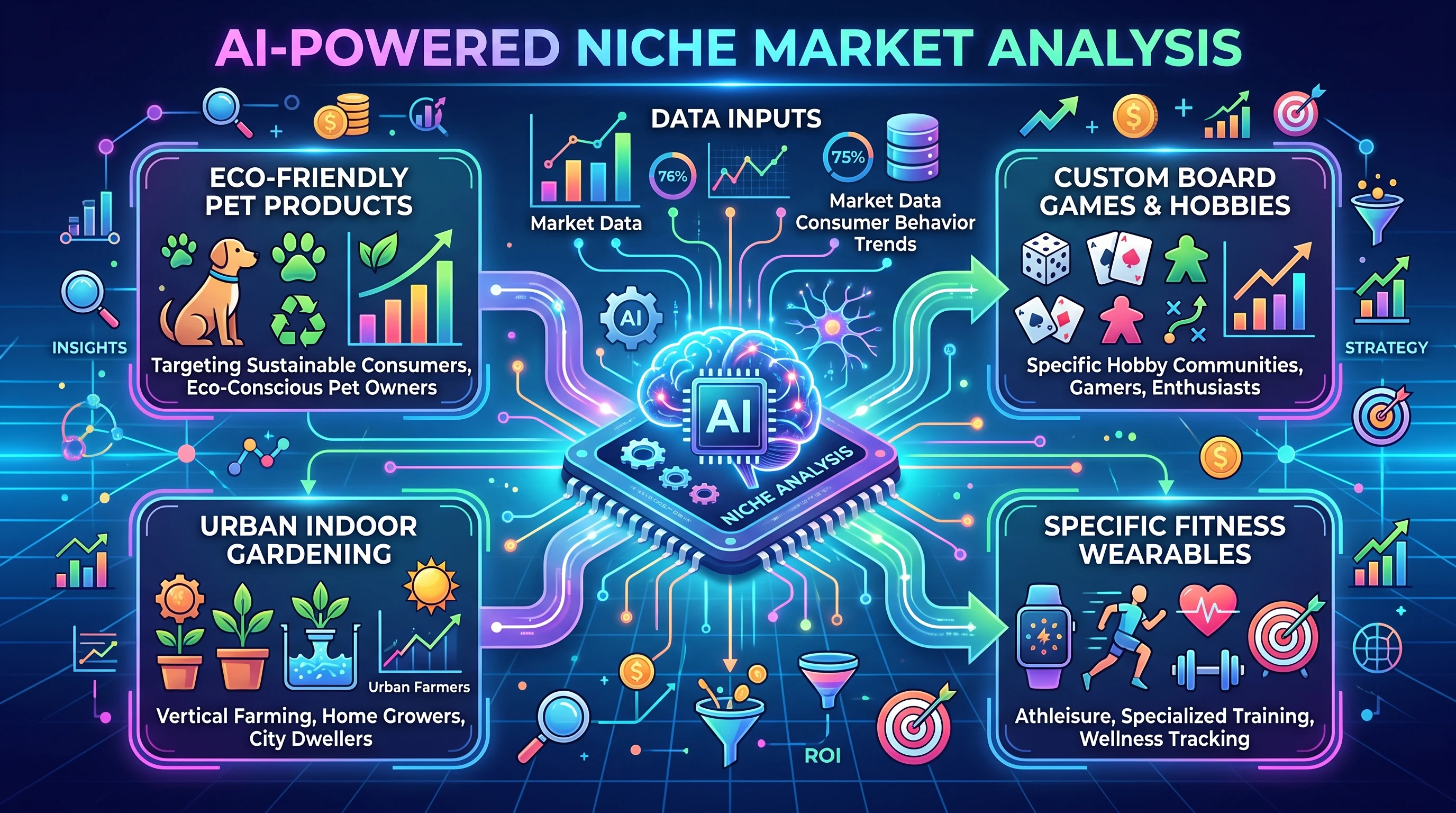
Niche marketing isn’t just about picking a quirky topic and hoping people will show up. It’s about digging deep to find audiences that are underserved, and making sure what you offer truly clicks with them. AI tools make all of this smoother by crunching tons of data much faster than a person could, guessing trends, and even generating the kind of content these smaller audiences want to see.
The biggest advantage here: AI can help predict which markets are ready for something new, and it lets you spot gaps that others might miss. That’s extremely handy when you want to stop wasting time on broad audiences and get real engagement from people who actually care.
Best AI Tools for Finding and Researching Niches
Choosing the right tool can make or break your niche marketing efforts. Here are some platforms I’ve found incredibly useful for research and market discovery:
- God of Prompt: Tons of customizable AI prompts for brainstorming niche ideas and content angles. Browse prompts for market research, trend spotting, and even social media campaigns. www.godofprompt.ai
- Niche Generator by Originality.ai: Perfect for scouting out highvolume lowcompetition niches, especially if you want to create content that’s easier to rank. www.originality.ai
- Matt Giaro’s AI Niche Generator: Free tool that asks you about your passions and skills, then cross-references that info with actual market demand. mattgiaro.com/ai-niche-generator
- Eve AI Market Explorer: Keeps tabs on real conversations in forums and social media so you can spot both trends and gaps in real time.
- SEMrush Market Explorer: Great for checking out competitors, getting allinone audience behavior info, and tracking emerging markets. www.semrush.com/market-explorer/
Pulling these tools together for your research phase will help you confidently choose a profitable market that matches your skills and interests.
Building and Optimizing Content with AI
After locking in your niche, AI content tools handle the heavy lifting. These tools aren’t just about making grammatically correct blog posts. They’re about aligning your message directly to people’s needs, using datadriven suggestions for headlines, visuals, and value offers.
- Anyword: Writes eye-catching copy for ads, emails, and landing pages, using predictive analytics to score what will actually grab attention (and in multiple languages, too). www.anyword.com
- Canva AI Market Gap Identifier: Looks at what’s trending visually to help you design graphics and branding pieces that stand out in underserved markets.
- YouTube Niche Tools (VidIQ, TubeBuddy): These platforms use AI to show you exactly what’s trending in different YouTube niches, so you can target your videos for maximum reach. vidiq.com | tubebuddy.com
Whether you’re making detailed blog posts, catchy graphics, or videos optimized for YouTube’s search, these platforms let you fine-tune your content and stay ahead of the competition in your chosen market segment.
Why Use AI for Niche Marketing?
I keep seeing the same benefits show up time and time again when using AI tools for niche strategy:
- Better Accuracy: AI doesn’t just guess which niches are hot; it uses buckets of data to give solid predictions on what’s gaining traction and who’s talking about what.
- Faster Research: Manual digging for new audiences could take weeks. AI speeds this up considerably, sometimes offering up new insights in a matter of minutes.
- More Effective Targeting: Every piece of content, design, and ad can be tailored specifically to your audience’s favorite platforms and communication styles, making your outreach more personal and effective.
- Data-Backed Decisions: Campaign performance is easier to predict because you’re using actual numbers to boost your offers, rather than relying purely on guesswork or intuition.
Most businesses using these tools report higher conversion rates and a more engaged community. That’s simply because their offers are sharper and more relevant. In markets where customer attention is scarce and competition is tight, this gives you a real edge.
Quick Tips to Get the Most Out of AI Niche Tools
Even the best AI tool alone isn’t magic using them well is what makes all the difference. Here’s what I recommend based on personal experience:
- Start with Clear Goals: Know what you want from your marketing (brand awareness, direct sales, lead generation, etc.) before deciding on which AI solutions to use.
- Mix Tools for Stronger Insights: Use a few different platforms for market research instead of just one. Different tools draw from different sources, so combining results gives you a wider perspective.
- Fact-Check Recommendations: AI is powerful, but sometimes it spits out strange suggestions. Double-checking with real people or trusted forums is always smart.
- Automate Only What Makes Sense: Automation is great for repetitive things, but the creative edge still comes from you. Use AI for outlines, prompts, and trends, but let your unique voice shine in the final content.
- Stay Updated on AI Trends: These tools evolve quickly, so keeping up with new features or apps can give you fresh tactics others may not know yet.
Challenges and How to Handle Them
Like any tech, using AI for niche marketing has its challenges. Here’s what to watch for and how to tackle them:
- Data Overload: AI spits out mountains of data, sometimes more than you can use. Try narrowing your filters or focusing only on the KPIs that matter most for your goals.
- Algorithm Bias: If your dataset is skewed, like only pulling from certain demographics, your insights could be off. Balance AI with honest audience feedback for accuracy.
- Upfront Cost: Some top tools aren’t free. Try out free versions or trial licenses first, so you invest only in the tools that fit your goals best.
Data Overload
It’s easy to feel overwhelmed by graphs and charts. If I’m ever stuck staring at too much info, I pick two or three core metrics, such as audience growth or conversion rate, and track those weekly. It keeps things simple and less stressful.
Algorithm Bias
Bias can sneak in if your AI data is outdated or limited. So, I always balance automated findings with personal conversations in groups or feedback from surveys. This way, my decisions aren’t just numbers; they really align with what people want.
Upfront Cost
Premium AI tools can cost quite a bit, but most solid platforms offer basic free versions for testing. I like to experiment during these trial periods to decide which features bring real value to my workflow.
RealWorld Examples of AI Niche Marketing
Over time, I’ve seen businesses go from unnoticed to standout by tapping into narrow markets with AI:
- Custom Pet Products: A small business used God of Prompt to find keywords and content angles for rare dog breeds, then built their audience with Anywordpowered product listings that spoke directly to specific fan groups.
- Sustainable Beauty Brand: By running market discovery tools, a startup tracked down an underserved Gen-Z audience interested in refillable packaging, optimized campaigns with SEMrush, and shaped Instagram visuals with Canva AI to match trending styles.
- Gaming Merchandise: A YouTube creator analyzed trending game topics with VidIQ, focused on content with less competition, and grew an email list using targeted drip campaigns run with AI support.
Frequently Asked Questions
Many marketers are eager to know how to use these tools and what results to expect. Here are a few questions I hear regularly:
Question: Can AI really help me find a profitable niche?
Answer: Absolutely. Using a mix of market research and content optimization tools gives you clearer guidance on where demand is rising while competition stays manageable.
Question: Are these tools only for big companies?
Answer: Not at all. Most offer options for solo entrepreneurs and small businesses. Many even include free trials to test before buying.
Question: How do I know if my niche is “too small”?
Answer: If it’s hard to find people searching for your topic or related products, that might mean broadening your audience just a bit. AI can help estimate this with keyword and audience data.
Final Thoughts
Jumping into niche marketing with AI isn’t just about convenience or automating busywork. These platforms free up your time so you can focus more on the creative details that set your business apart, while still making datadriven choices. With steady research, a bit of trial and error, and the right mix of AI tools, your marketing can stand out, even in crowded online spaces. The options for AI in marketing keep growing, so it’s worth checking out the latest tools to find what fits your style best.