
The way small businesses make money is always changing, and what worked a decade ago may not make the cut today. New technology, shifting customer habits, and a few economic curveballs have opened up fresh opportunities to earn steady income, or even try out totally different methods for bringing in cash. If you’ve been thinking about taking your business into the future, these revenue models are definitely worth checking out.
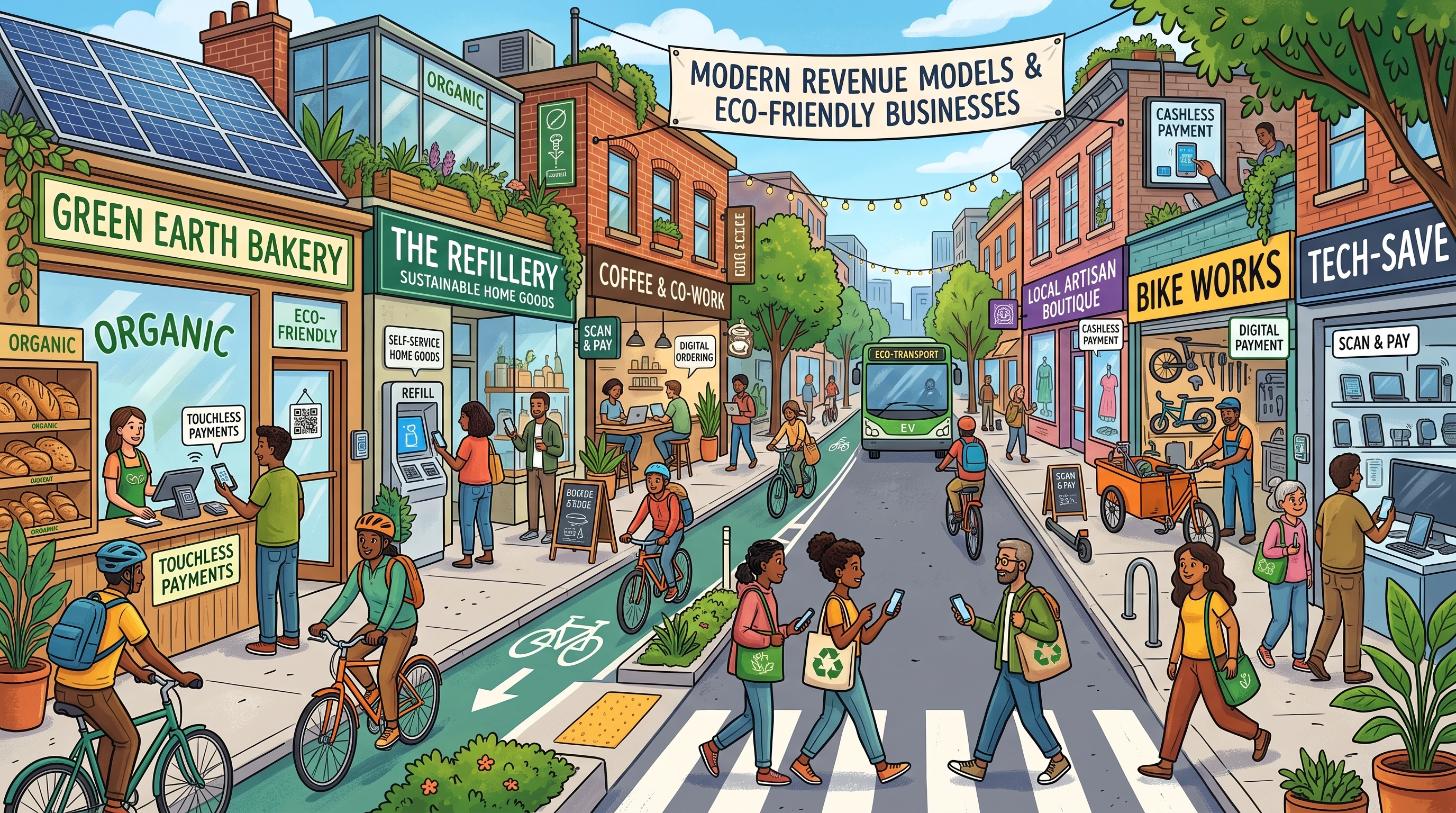
Emerging Revenue Models for Small Businesses
Adapting to market changes isn’t just about survival. It’s also about growing and building closer connections with your audience. Here are some of the most promising models that keep popping up in conversations with business owners and in popular industry trend reports.
- Subscription Services: Turning single sales into dependable monthly or annual income.
- ValueBased Pricing: Charging what your product or service is truly worth to the customer, not just what it costs you to provide.
- Diversified Revenue Streams: Expanding your income sources so you’re never depending on a single market.
- Freemium and Upsell Offers: Giving something away for free and making money off premium upgrades or extras.
- Green and Social Impact Models: Finding customers who care about sustainability, ethics, or social causes, then building solutions they feel good about buying.
How Subscription Services Are Shaping Small Business Revenue
Having predictable, recurring payments is seriously helpful for budgeting and planning ahead. Subscription services aren’t only for streaming platforms or magazines. I’ve seen cafes offering monthly coffee memberships, gyms providing exclusive workout content for a fee, and bakeries rolling out cupcakeofthemonth clubs.
This approach fits all sorts of industries and products. The trick is listening to your regulars: What would have them coming back every month? Bundling products, offering exclusive member perks, or sending curated packages right to their door are all good options. Tons of small businesses use platforms like Shopify or Patreon to run subscriptions without needing a big custom website or fancy tech skills.
ValueBased Pricing: Charge for What Matters Most
Tying your pricing to the actual value customers see in what you offer, instead of simply covering your costs, can mean higher profits and happier customers. ValueBased Pricing is about showing the why behind your price point. For example, a graphic designer might offer a fast turnaround time and oneonone support, charging a bit more but making clients feel looked after. Or a pet store could sell ecofriendly toys with lifetime guarantees. TOMS Shoes is a big name here thanks to its One for One program, where a purchase funds a donation. Customers pay a little extra because it’s about more than just utility – it feels meaningful.
Nailing this means talking with your buyers to really find what makes you stand out. It’s important to let people know what’s behind the cost – whether it’s handcrafted work, exceptional service, or a built-in social impact.
Diversifying Revenue Streams to Stay Resilient
Putting all your eggs in one basket rarely pays off. More and more local businesses are thriving by adding products, offering workshops, or even teaming up with other businesses. For example, a yoga studio might add branded apparel or run wellness retreats. An auto repair shop could start car care classes or sell home DIY kits.
Small tests with your current customers make a big difference. Ask what else they’d like, host an event, or put out new services as short-term pilots. Staying adaptable helps you respond if demand changes, and extra income streams can smooth out slow times.
Freemium and Upsell Models: Attract First, Monetize Later
With this model, you get your product in front of plenty of eyes—no upfront commitment required. Think about popular mobile apps: they’re free at first, with charges for cool upgrades or bonus features. Even small businesses get creative with this. A bakery could hand out samples and sell a paid VIP tasting experience. An online consultant might give out handy templates, then charge for coaching or premium guides.
The key is giving real value upfront so customers build trust and loyalty. People are much more likely to pay for extras when they’ve already seen what you can do. Play around with what’s free and what lands in the paid version. This is always a cycle of testing, collecting feedback, and adjusting.
Turning Sustainability and Social Impact into Revenue
Being green or ethical isn’t just for the big players. A rising tide of shoppers love spending at businesses doing genuine good. When your stuff is from recycled materials, local sources, or supports a good cause or local project, let people know. Who Gives A Crap, for instance, donates half its profits to sanitation projects. Local cafes using solar energy or compostable packaging attract folks searching for purchases with purpose.
Openness and clear reporting make these business models work. You sell more than your product—you’re offering a story and a slice of a better future. Posting updates about impact, sharing transparency reports, and giving customers a say (like letting them vote on which causes you support) helps secure long-term loyalty.
Getting Started: Trying Out a New Revenue Model
Jumping into a new model can seem like a leap. Here’s how you can test things out before going all in:
- Talk with Your Customers: Find out what they want, or what big problems they’d love someone to solve.
- Experiment with Pilots: Roll out a new service or product as a short-term promo first. This helps gauge demand without a big commitment.
- Use Digital Tools: Stripe and Shopify make it easy to launch subscriptions, take payments, and track sales. Even simple tools like Mailchimp or Squarespace can help you offer new services quickly.
- Build In Flexibility: Be ready to shift course if a model doesn’t catch on. Lots of the best ideas start small, adapt, and get sharper quickly with feedback.
Things to Watch Out for When Reimagining Revenue
Getting creative with new revenue streams brings some challenges. These are key points I remind friends and clients when they’re testing out new income ideas:
- Market Fit: Check there’s solid demand for your new offer before investing big.
- Tech Setup: Learning new tools like pricing calculators or customer membership systems takes a bit of work upfront.
- Customer Expectations: Be clear what folks get for their money, and where there are any rules or limits.
- Legal Stuff: From privacy to digital rights, make sure your new model works under the laws in your area.
Market Fit
Jumping into a new revenue idea without seeing if there’s an appetite is risky. Chat with your audience, send out surveys, or run a short-term pilot before a big launch. Honest early feedback helps you nail your offer and avoid costly mistakes.
Tech Setup
New business models often need light tech upgrades. Sometimes it’s a simple website tweak, or maybe it’s a payment processor or membership software. Using tools like Shopify, Wix, or Squarespace can make things much smoother and faster to launch.
Customer Expectations
As you add new offers, make it easy for people to know exactly what’s included and how things work. Good FAQs, plainspoken product descriptions, and easy-to-access terms all help keep customer trust high and confusion low.
Legal Stuff
Even small businesses need to stay on top of the paperwork. Subscriptions, digital goods, and donations all follow different rules in various places. If you’re unsure, it’s wise to check with a local small business advisor or join a trusted professional group to make sure everything’s sorted.
Running experiments and mixing up how you make money is one of the most exciting parts of being in small business today. Try new ideas with your real customers, make the most of off-the-shelf tools to keep costs down, and stay open to feedback to adjust on the fly.
Common Questions About Future Revenue Models
Question: How do I pick the right revenue model for my business?
Answer: Listen to what your current customers genuinely value, and pay attention to what they might want more frequently. Test ideas on a small scale before pouring extra resources into them.
Question: Can any small business use a subscription model?
Answer: With a little creativity, subscription models work for almost any business type. It doesn’t always have to mean a box of stuff—sometimes it’s exclusive content or access to perks. The main point is providing consistent value your buyers want to stick around for.
Question: What if my new income approach doesn’t work out?
Answer: Keep your tests and launches small, and invite customer feedback from the start. If something doesn’t work, pivot quickly to something new. That way, you protect the foundation you’ve already built.
Reimagining How Small Businesses Make Money
There isn’t a single magic formula for future small business success. Trying out these revenue models, and adapting them to suit your business and customers, sets you up for whatever the market throws at you. Keep experimenting, stay close to your customers, and always improve your offers. That’s how today’s small businesses keep thriving and growing, no matter what the future brings.