
Affiliate links are everywhere in the online world, but many people overlook just how powerful they can be in digital marketing. Having spent a lot of time working with websites and trying different strategies myself, I’ve seen how smart use of affiliate links can help build revenue streams, boost exposure, and add a lot of value, both to creators and audiences. I’ll spell out why affiliate links matter in marketing, share some hands-on tips from my own experience, and show you how to start adding affiliate links to your content so you can get in on the action.
Why Affiliate Links Are a Big Deal in Marketing
Affiliate links have totally changed how businesses and content creators work together. They connect brands with audiences in a really direct way; in most cases, everyone wins—from the creator publishing the link to the company selling a product, and even the person who clicks through to buy. The global affiliate marketing industry is now worth over $17 billion each year, and it just keeps growing. Nearly every popular brand, from Amazon to Nike to booking websites, runs some kind of affiliate program. These programs let brands tap into new audiences and let individual marketers, bloggers, and influencers monetize their platforms easily.
Affiliate marketing isn’t just for tech experts or big influencers. Anyone running a blog, YouTube channel, podcast, or even a social media account can benefit. For beginners, affiliate programs offer an approachable way to start earning online without needing to create a product or handle support. If you’re just starting out, affiliate marketing can be a real game changer. It gives you the chance to share tips and products you genuinely like while building up potential income with little up-front risk.
Understanding Affiliate Links: How They Work
Affiliate links are special URLs that track when someone clicks and takes an action, such as making a purchase or signing up for a service. When you add an affiliate link to your site, newsletter, or channel, you’re basically telling the brand, “If someone buys from you because of me, I’ll get a small cut.” Your links are tracked using unique codes, so brands always know who sent the traffic.
Some popular ways to use affiliate links include:
- Blog posts: Adding links to product reviews or recommendations.
- Social media posts: Sharing quick finds on Instagram, Twitter, or Facebook.
- Email marketing: Including affiliate links inside newsletters to highlight helpful products.
- YouTube videos: Dropping affiliate links in video descriptions for items you discuss on camera.
You don’t need fancy skills to start. A good affiliate marketing link generator or free affiliate link generator can help you quickly turn any standard link into a trackable one. There are dozens of useful free tools and browser extensions out there to make this super straightforward for anyone, beginners included.
Benefits of Using Affiliate Links in Your Marketing
From experience, there are some pretty clear reasons to use affiliate links in your marketing:
- Passive income: You set up a link once and keep earning as long as people keep clicking and buying.
- Diverse revenue streams: Affiliate links let you earn money from different sources without adding a lot of extra work.
- Low barrier to entry: Getting started doesn’t take a huge budget, coding experience, or lots of upfront planning.
- Fit with any niche: There are affiliate programs for everything—travel, tech, cooking, fashion, fitness, SaaS, even pet toys.
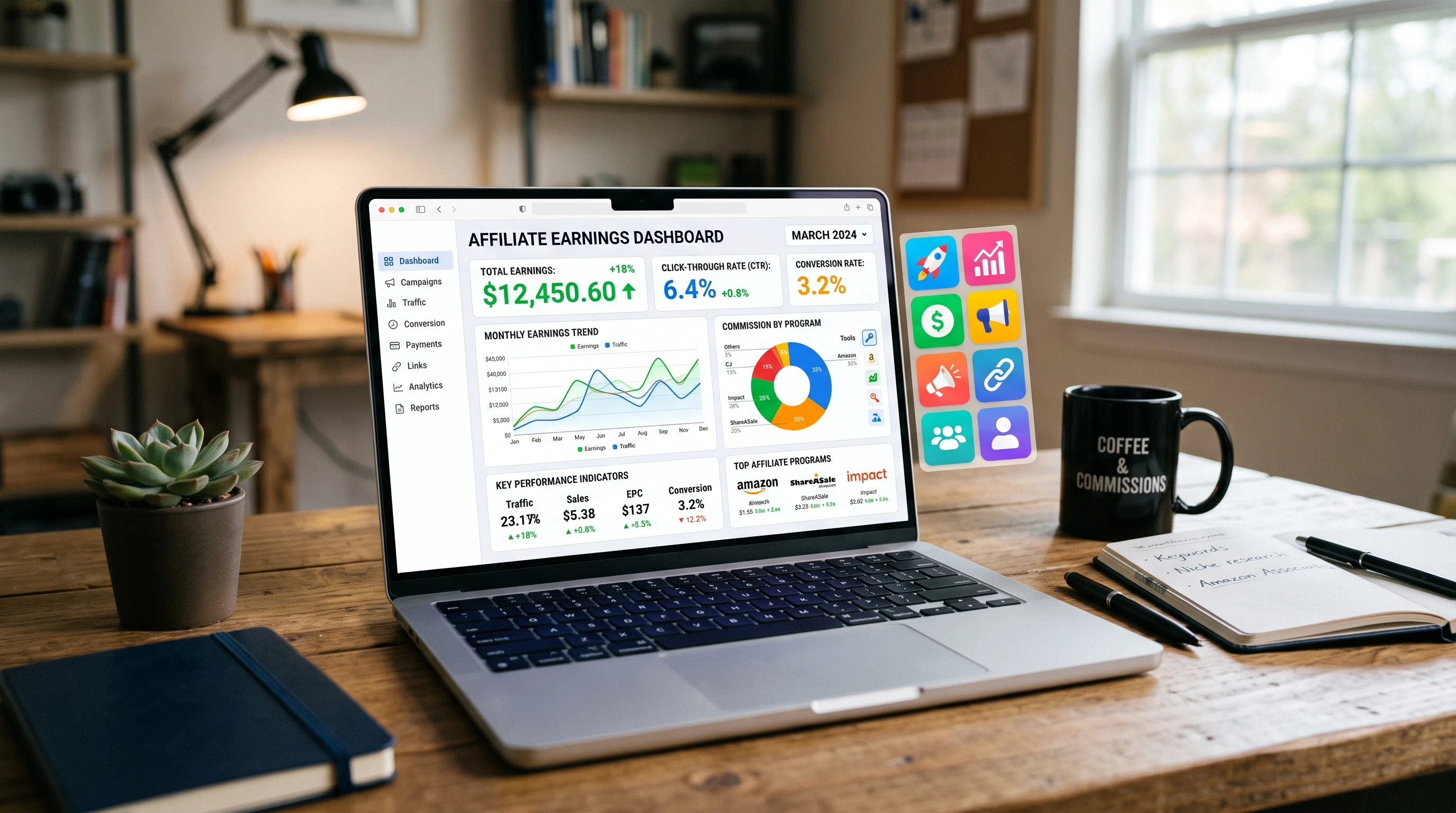
- Performance tracking: Affiliate dashboards give you real-time stats on clicks, sales, and commissions, making it easy to see what’s working and fine-tune your focus.
For example, I once wrote a review for a budget web hosting company and left an affiliate link at the end. That single post brought in commissions for two years, even though I barely thought about it after hitting publish. Affiliate links can keep working long after you’ve moved on to your next project, so creating useful evergreen content with smart embedded links is a reliable long-term strategy.
Where to Find and How to Generate Affiliate Links
The big question a lot of beginners ask is, “Where do I get affiliate links?” Most major brands have links to their affiliate programs at the bottom of their websites. You can also track down affiliate networks, which act as hubs for connecting marketers to brands. Some well-known options are:
- Amazon Associates (great for general products)
- ShareASale (many niches, easy to use)
- Rakuten Marketing (especially good for international offers)
- Commission Junction (CJ) (tons of big brands)
- Impact (strong in tech, travel, and SaaS)
To get your affiliate link, just sign up for the program, get approved, browse the products or services you want to promote, and copy your unique link. Many sites also have a free affiliate link generator built into their dashboards. You might need to add some personal or tax info, but the process is usually pretty quick.
For beginners who want a fast way to get started, search for “best affiliate marketing websites” or look for recommendations in your specific niche. Sites like Affiliate Tip and Affilorama offer lists, guides, and tips for newbies. Want an even quicker method? Use Google to search “your niche + affiliate program” (for example, “pet supplies affiliate program”) and check what options pop up.
Tips for Maximizing Success with Affiliate Links
Promoting affiliate links isn’t about dropping random URLs everywhere. There are a few strategies I’ve found super helpful:
- Be transparent: Always let your audience know if you’re using affiliate links. Trust goes a long way online.
- Focus on value: Only share products you’ve used or trust, and add practical info or a quick review that helps your readers decide if it’s worth a click.
- Use direct placements: Links inside lists, how-tos, and reviews get clicked much more often than those in footers or hidden spots. Doubling down on placing links right where your readers are looking increases the odds of engagement.
- Test and optimize: Try different placements (top, middle, end of the post), different types of products, and experiment with various calls-to-action to see what your audience responds to. Sometimes a simple “Check out this tool I use” works better than a flashy banner.
- Scale what works: After a few months, look at your dashboard and double down on what’s bringing in steady commissions. Don’t be afraid to edit older posts with updated affiliate links if you spot an opportunity to give a boost to income.
The real key is finding products or services that naturally fit your niche and audience. If you’re a beginner, it’s totally fine to test out different programs before deciding where to focus your main efforts. Remember, readers are more likely to click and buy if your recommendation feels genuine and fits the overall flow of your content.
Overcoming the Common Challenges of Affiliate Marketing
Of course, it’s not all smooth sailing. Here are some bumps I’ve hit, and how to get around them:
- Low conversion rates: Not every click will turn into a sale. Try to match your recommendations closely to your audience’s actual needs, and keep your messaging honest and clear. If something isn’t selling, look over closely at where your link is placed or rethink which product you’re recommending.
- Link management: Once you have dozens (or even hundreds) of affiliate links, it can get tough to keep track. A good link management plugin (like ThirstyAffiliates for WordPress) is super useful for organizing and updating links in one spot. Some advanced tools even let you change out all your links from one dashboard.
- Changing commission rules: Sometimes platforms update their terms, which can impact your earnings. It’s smart to switch things up across your affiliate programs so you’re not relying on just one source.
- Staying compliant: Regulatory rules (like the FTC in the US) require clear disclosure when using affiliate links. A quick note (“This post contains affiliate links”) keeps things honest, open, and above board for everyone.
With a bit of organization and communication, most of these challenges become pretty manageable in the day-to-day process of affiliate marketing.
Real-World Examples of How Affiliate Links Are Used
I’ve seen people use affiliate links for all sorts of projects, large and small. Some examples from my own adventure and from others in the industry include:
- Travel bloggers use affiliate links for hotel bookings, luggage, and travel insurance.
- Tech reviewers recommend gear and link directly to product pages, generating commission when readers buy.
- Cooking influencers link their favorite kitchen gadgets in recipe posts or video descriptions.
- Fitness YouTubers often drop links for protein powders, workout gear, or online courses in their video notes.
- Small business owners bundle affiliate links in resource lists or sidebars to supplement their main income.
With affiliate marketing, the options are pretty wide open. As long as you’re adding real value, people are happy to use your links if it helps them make informed decisions.
Frequently Asked Questions
People often have a few quick questions before getting into affiliate marketing. Here’s what I get asked most often:
Question: How do beginners start with affiliate marketing?
Answer: Sign up for programs that fit your content, pick products you believe in, and use simple tools to generate your links. Don’t overthink it; just start sharing products that match your audience.
Question: Where can I find the best affiliate programs?
Answer: Check out sites like ShareASale, CJ Affiliate, Amazon Associates, or search for “[your niche] affiliate programs” to find the best options for your topic area.
Question: Can I use affiliate links on any website?
Answer: Most platforms are fine with affiliate links, but always check the rules of each site (especially social media or forums) and keep your disclosures clear.
Wrapping Up: Making Affiliate Links Work for You
Affiliate links give creators and marketers a practical way to earn from their work, all while sharing helpful recommendations with their audience. You don’t need a giant following or special tech knowledge to get started; just a bit of patience and a focus on sharing value. Over time, smart use of affiliate links can turn an ordinary blog, channel, or website into a steady side income stream. If you keep testing, refining your approach, and prioritizing your reader’s trust, you’ll set yourself up for lasting results.
So if you’ve been on the fence about adding affiliate links, it’s definitely worth checking out. Grab a few links for products you already love and see how your audience responds. You might be surprised at how quickly things start to click and how much your effort pays off in the long run.